
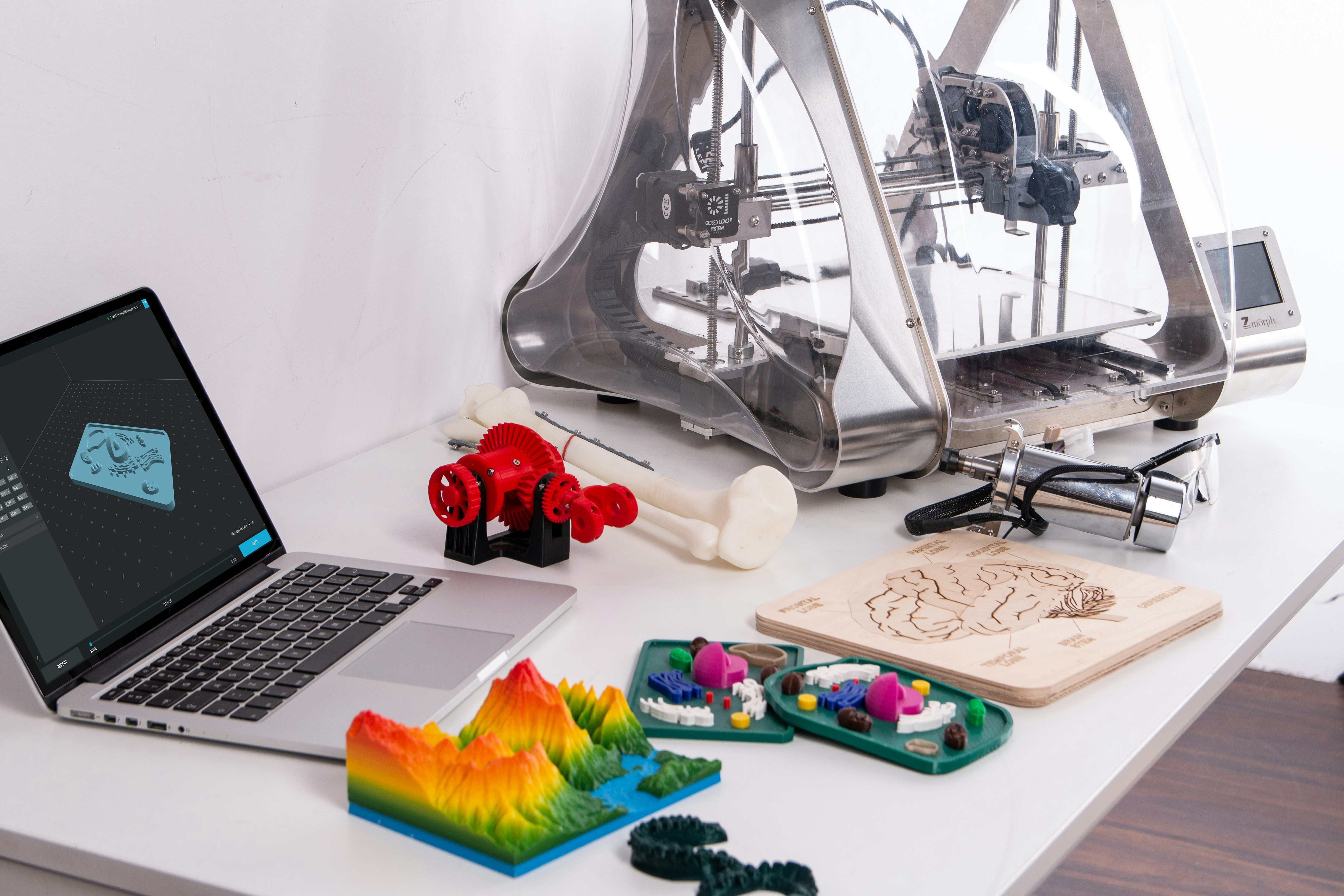
The realm of 3D printing offers endless possibilities for creativity and innovation, but to truly harness this technology’s power, one must understand the nuances of design tailored specifically for 3D printing. Here are some key tips and techniques to ensure your designs are not only print-worthy but also optimized for strength, efficiency, and aesthetics.
-
Understand the Printing Process: Before you start designing, it’s crucial to understand the capabilities and limitations of the 3D printer you’re using. Different printers have varying levels of precision, material compatibility, and size limitations. Knowing how the printing process works will help you set realistic expectations for your designs.
-
Optimize for Material: Each 3D printing material has its own properties, such as flexibility, strength, and temperature resistance. When designing your object, consider the material you will be using and adjust your design to leverage its strengths and mitigate its weaknesses.
-
Design for Strength: The orientation of your print can significantly affect its strength. Features like rounded corners and fillets can reduce stress concentrations and increase durability. Also, consider adding ribs or gussets to improve stability and strength without significantly increasing material usage.
-
Allow for Tolerance and Shrinkage: All materials shrink as they cool down post-printing, and this needs to be accounted for in your design. Ensure there are adequate clearances and tolerances, especially for interlocking parts or assemblies. A general rule is to leave a minimum of 0.5 mm of tolerance for parts that need to fit together.
-
Use Supports Wisely: Overhanging structures may require support material during printing, which can be a waste of material and difficult to remove. Whenever possible, design your part to minimize overhangs or to place them in areas where supports can be easily removed without impacting the appearance or function.
-
Consider the Print Orientation: The orientation of your print can affect not only its strength but also its surface finish. Vertical orientation might be ideal for achieving smooth surfaces, but it could compromise the strength of load-bearing components. Plan your design’s orientation to optimize both aesthetics and functionality.
-
Test Iteratively: The design process doesn’t end with the first print. Use your initial prototypes to identify areas of improvement. Testing and refining your design through multiple iterations can significantly enhance the final product’s quality and performance.
-
Keep Learning: The field of 3D printing is evolving rapidly, with new materials, techniques, and software developments emerging regularly. Stay informed about the latest advancements to continuously refine your design approach and leverage new possibilities.
Have a design ready to print? Upload your file now to get an instant quote from 3D Printing Room.


Leave a Reply