
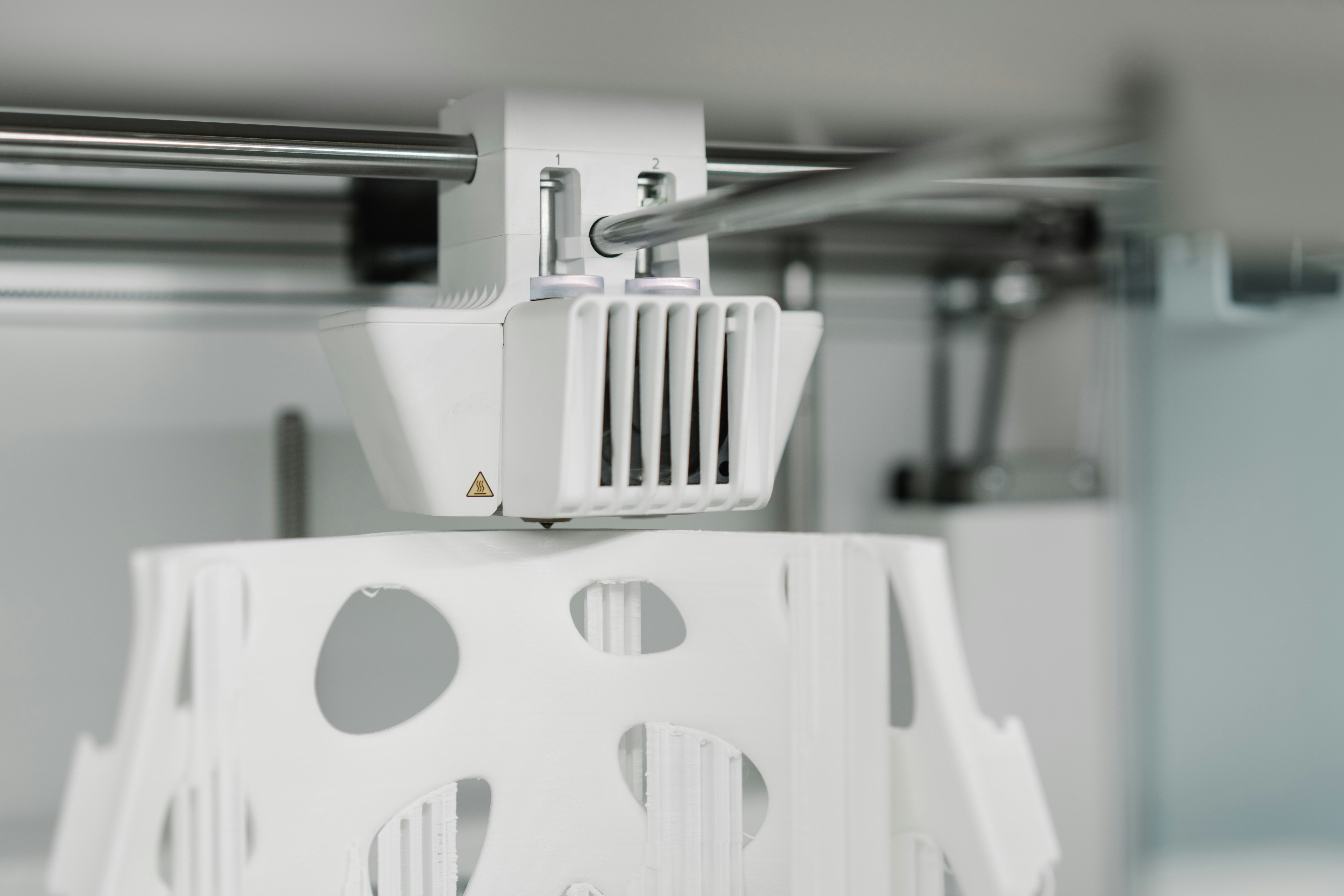
Extrusion in 3D printing is a fundamental concept that lies at the heart of many 3D printing processes, particularly in Fused Deposition Modeling (FDM). This process is essential for transforming digital models into tangible objects. In this blog, we’ll delve into what extrusion in 3D printing entails and why it’s crucial for the 3D printing process.
1. What is Extrusion in 3D Printing? At its core, extrusion in 3D printing refers to the process of pushing material, typically filament, through a heated nozzle to melt it and then depositing it layer by layer to build a 3D object. The material, usually thermoplastics like PLA or ABS, is fed from a spool through the printer’s extruder, where it is heated to its melting point.
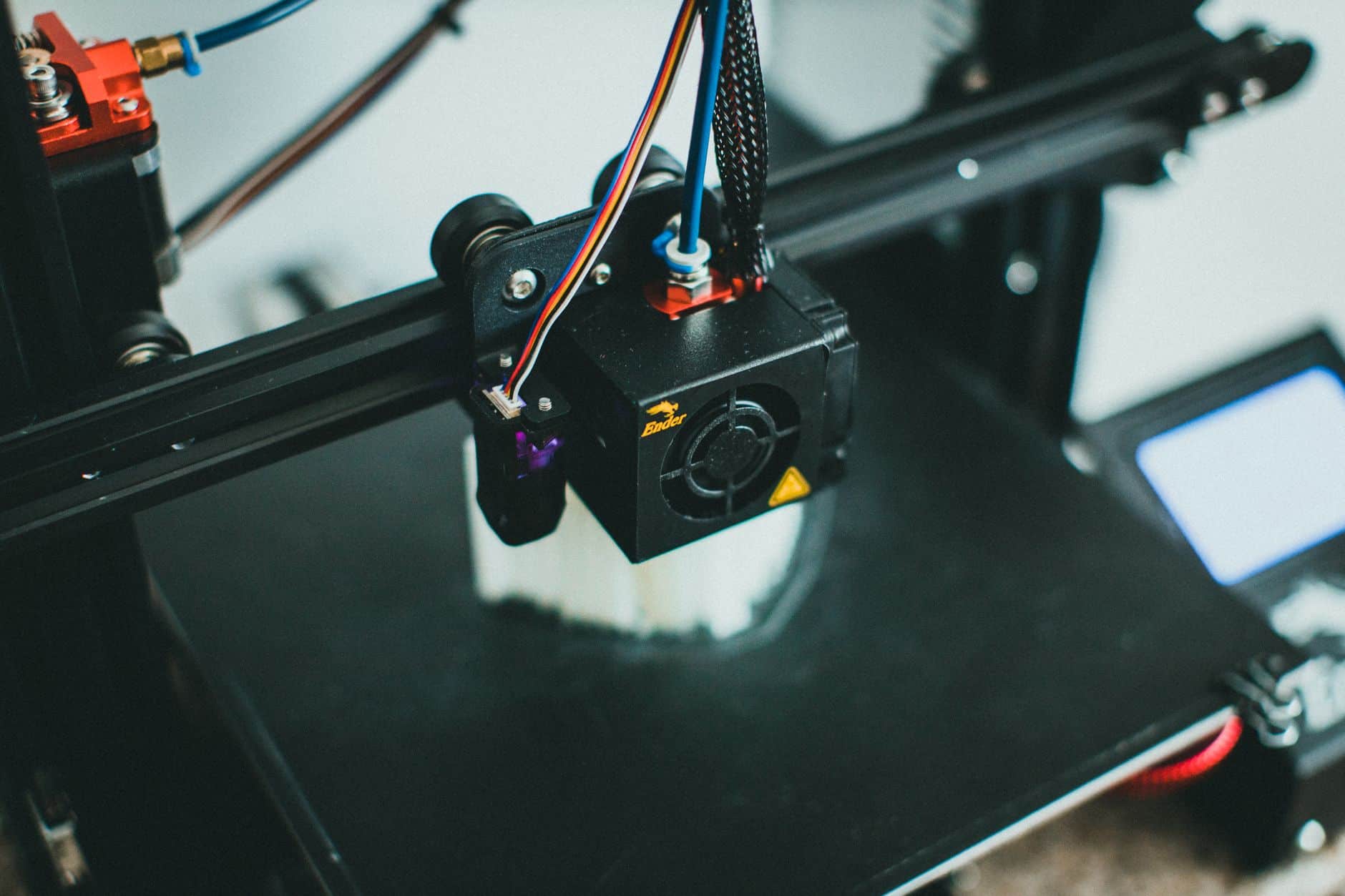
2. The Extruder: The Heart of the Process The extruder is a critical component in this process. It’s responsible for consistently feeding the filament to the hotend at a controlled rate. There are two main types of extruders: direct drive and Bowden. Direct drive extruders are mounted directly on the print head, offering more precise control, while Bowden extruders are mounted on the printer’s frame, reducing the weight of the print head for faster movement.
3. The Role of the Hotend The hotend is where the filament is melted. It needs to maintain a consistent temperature that’s hot enough to melt the filament but not so hot as to cause it to degrade. This precise temperature control is crucial for successful extrusion and directly impacts the quality of the printed object.
4. Layer-by-Layer Deposition Once melted, the filament is extruded through a nozzle onto the build platform. The printer lays down the material layer by layer, following the path dictated by the 3D model’s G-code. The thickness of these layers can vary and significantly impacts both the print quality and the printing time.
5. Overcoming Extrusion Challenges Common challenges in extrusion include nozzle clogging, uneven filament feeding, and temperature fluctuations. These issues can lead to print failures or poor-quality prints. Regular maintenance, such as cleaning the nozzle and ensuring the filament is free of moisture, is essential to prevent these issues.
6. The Future of Extrusion Technologies Extrusion technology in 3D printing is continuously evolving, with advancements aimed at improving speed, precision, and the ability to work with a broader range of materials. Innovations like multi-material extrusion and variable nozzle diameters are expanding the possibilities of what can be created through 3D printing.
7. Understanding the Material Properties The choice of material significantly affects the extrusion process. Different materials have different melting points and behaviors when heated. Understanding these properties is crucial for adjusting the printer settings to achieve optimal results.
Understanding the extrusion process in 3D printing is key to mastering this technology. Whether you’re a hobbyist or a professional, a deep understanding of extrusion can help you troubleshoot issues, experiment with new materials, and ultimately unlock the full potential of 3D printing.
Want to skip the troubleshooting and get professional results? Upload your file now to get an instant quote from 3D Printing Room.


Leave a Reply